Offer
Stories
/
AMBITION
AMBITION
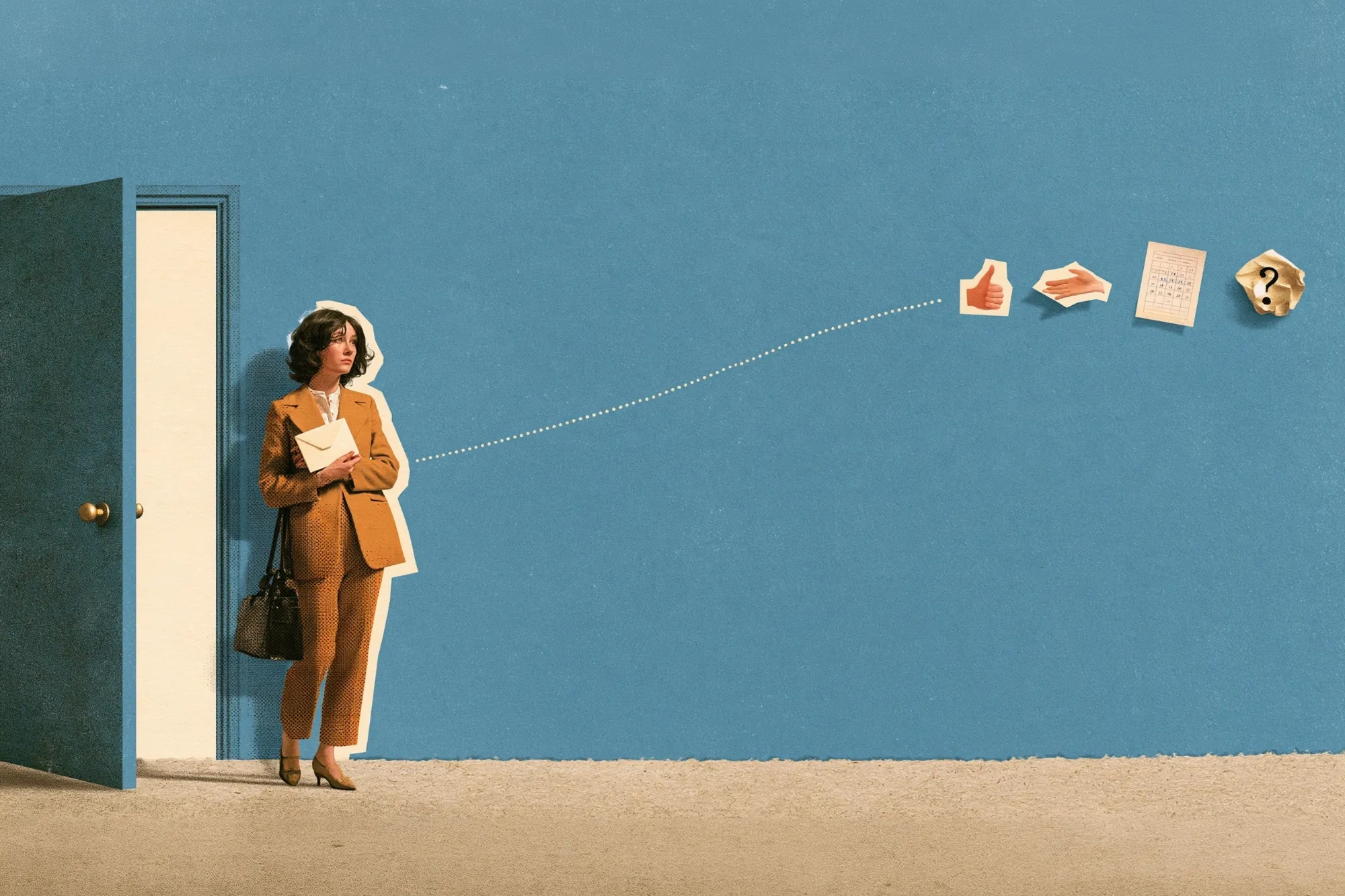
Coworkers ask questions to talk about themselves. Ask one and stay with the answer, all the way to the end.
Photograph by
Photographs by
1 / 1
·
Presented by
·
to
Orange Taco
·
The Highlight, 1200 McKinney St
Nothing is charged at booking. Inside 24 hours or a no-show, $30 a seat.
Serves
Prep
Cook
From the shop
Both
$0
About
You will need
$
ALLERGENS
·
$
·
Arrive
·
Code from your invitation
Menu
10% off the order. First online order only. One code per order. Online only.
February 28, 2027
October 12, 2026
ten-percent-first-order
Menu

“How was your weekend?”
They tell you. You wait for an opening.
“Mine was incredible.”
And just like that, their weekend becomes the introduction to yours.
Researchers Alison Wood Brooks and Michael Yeomans call it boomerasking: asking a question, hearing the answer, then turning the conversation back to yourself without meaningfully responding to what the other person said. Across eight studies, they found that people doing it often thought they were making a good impression. Recipients saw them as less sincere and less likable than people who simply began by sharing their own news.
The question was not the problem. The interest that disappeared was.
There is nothing wrong with having a story to tell. You went somewhere wonderful. Something funny happened. You have news you want someone to hear.
Tell them.
You do not have to disguise your excitement as curiosity about theirs.
“I’ve been wanting to tell you about Saturday” is honest. “How was your Saturday?” deserves an answer you are willing to stay with.
That willingness matters. Earlier research found that people who asked more questions were better liked by their conversation partners, particularly when they asked follow-up questions. A follow-up can show that you heard something worth knowing more about.
Not just “And you?”
“What was that like?”
“How did it go?”
“Would you do it again?”
The best next question comes from the answer you just heard, not the story you are waiting to tell.
And it does not always have to be a question. Acknowledging what someone said, responding to the feeling in it, or checking that you understood can all make room for them before you take your turn. Brooks recommends these small responses as ways to interrupt the boomerasking habit.
You are not conducting an interview. You are having a conversation.
Your own story still belongs in it. So do your opinions, your memories and the experience that made you think, “Something like that happened to me.”
Just let their experience be theirs for a moment before it becomes a bridge to yours.
If the habit is hard to break, Brooks suggests asking about something you cannot answer yourself. Ask about their project, their trip, the thing they have been learning. Give your curiosity somewhere to go that is not straight back to you.
Lunch gives that curiosity a place to settle.
You have already made time to sit down. There is food to enjoy and no need to fit every exchange into the space between two tasks.
Let the question finish.
Let the answer surprise you.
You may find that the part worth talking about was not the part you expected.
We cook from scratch. You bring the people - and an interest in what they have to say.
A good lunch gives you something to enjoy together. A good question gives you somewhere to begin.
Ask it.
Then stay.
Order online and take 10% off your first order. Find a table. Give the food and the person across from you your attention.
THE FORMAT
ask-then-stay-for-the-answer
THE SPEC
Key
Value
Key
Value
Key
Value
Key
Value
Key
Value
PAIRS WITH THIS
Ingredients
Method
Steps
A common mistake