Offer
Stories
/
CRAFT
CRAFT
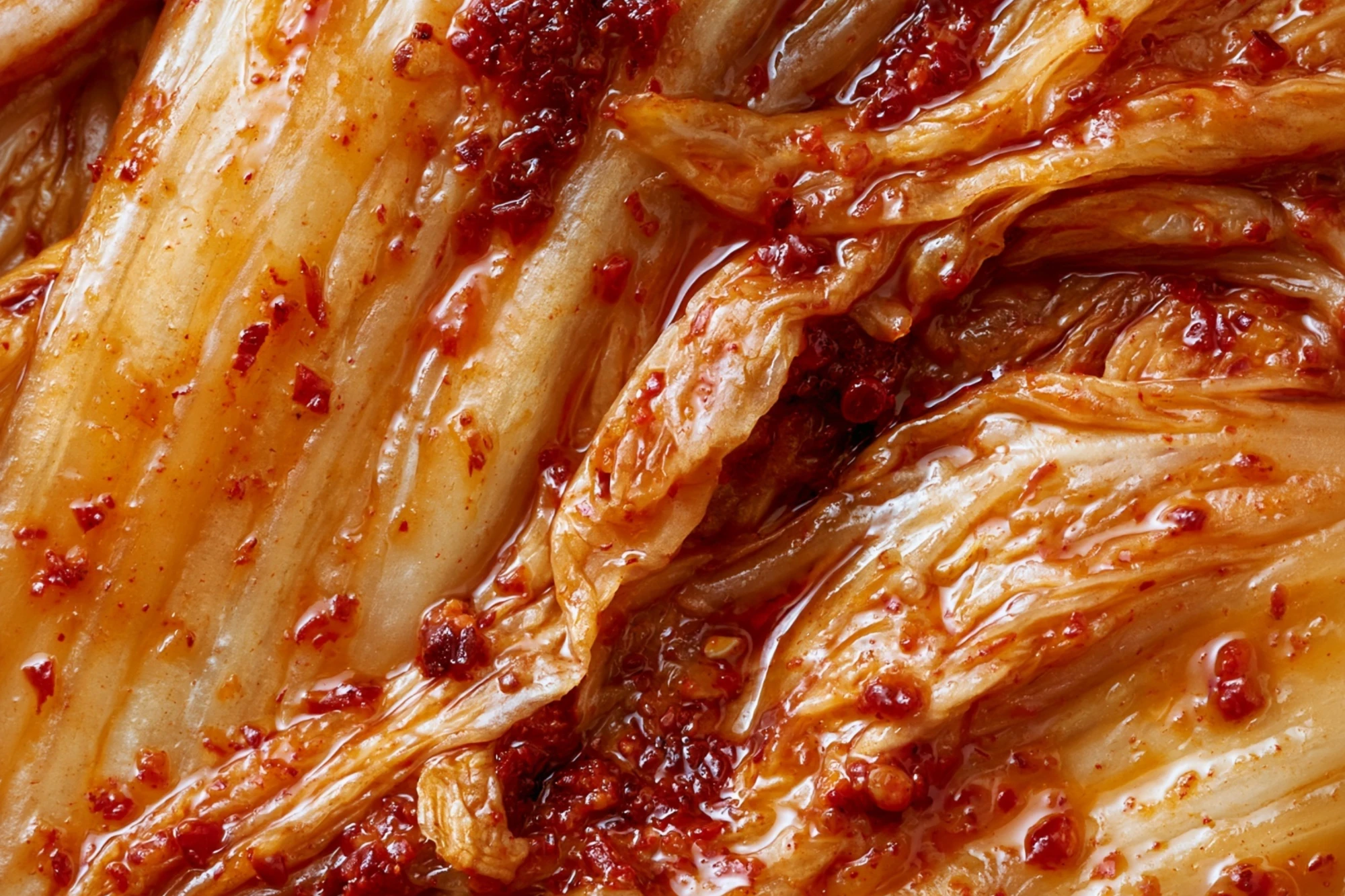
Kimjang, the Korean kimchi-making season, is on UNESCO's list. Make one jar this month. It takes an afternoon.
Photograph by
Photographs by
1 / 1
·
Presented by
·
to
Orange Taco
·
The Highlight, 1200 McKinney St
Nothing is charged at booking. Inside 24 hours or a no-show, $30 a seat.
Serves
Prep
Cook
From the shop
Both
$0
About
You will need
$
ALLERGENS
·
$
·
Arrive
·
Code from your invitation
Menu
10% off the order. First online order only. One code per order. Online only.
February 28, 2027
October 12, 2026
ten-percent-first-order
Menu

In late autumn, communities in the Republic of Korea gather to make and share enough kimchi to see households through the winter. The practice is called kimjang. In 2013, UNESCO added it to its Representative List of the Intangible Cultural Heritage of Humanity - not just for the food, but for the knowledge, cooperation and sharing that surround it.
Your first batch can be smaller. A cabbage. A clean jar. An afternoon to get started.
Begin with a reliable recipe. Then comes salt, which draws water from the cabbage and helps create the conditions for fermentation. Lactic acid bacteria turn sugars into acids, developing the sourness that makes fermented kimchi distinctive.
You do the preparation. Time does another kind of work.
Your cuts may be uneven. The seasoning may cling more thickly to one leaf than another. Your jar may not look like the photograph.
That is not a reason to stop.
Kimjang knowledge is passed through families, and ingredients and methods vary by region and household. There is no single appearance that every batch must copy. You are learning a craft with a history, not trying to reproduce a product shot.
Be forgiving about the looks. Be precise about the process.
Use a science-based recipe, clean equipment and the specified quantities. Follow its instructions for fermentation temperature, timing and refrigeration. Flavor tells you what you enjoy; it does not, by itself, tell you whether a ferment is safe. Discard kimchi if surface mold appears.
Then comes the pleasure of having something you made ready to eat.
Spoon it beside rice and an egg. Add it to a bowl of noodles. Put it in the dish you have, not the one you think you ought to own.
Say you made it.
Not because every leaf is perfectly cut. Because you took the time to learn what to do, did it with care, and now have something worth sharing.
That is what we value in food made from scratch. Not a flawless appearance. Attention you can taste.
Your first jar does not have to be beautiful.
It has to be made with care. The next one will teach you something else.
Order online and take 10% off your first order. Put something you made beside something we made, and sit down to both.
THE FORMAT
the-first-jar-is-yours
THE SPEC
Key
Value
Key
Value
Key
Value
Key
Value
Key
Value
PAIRS WITH THIS
Ingredients
Method
Steps
A common mistake